
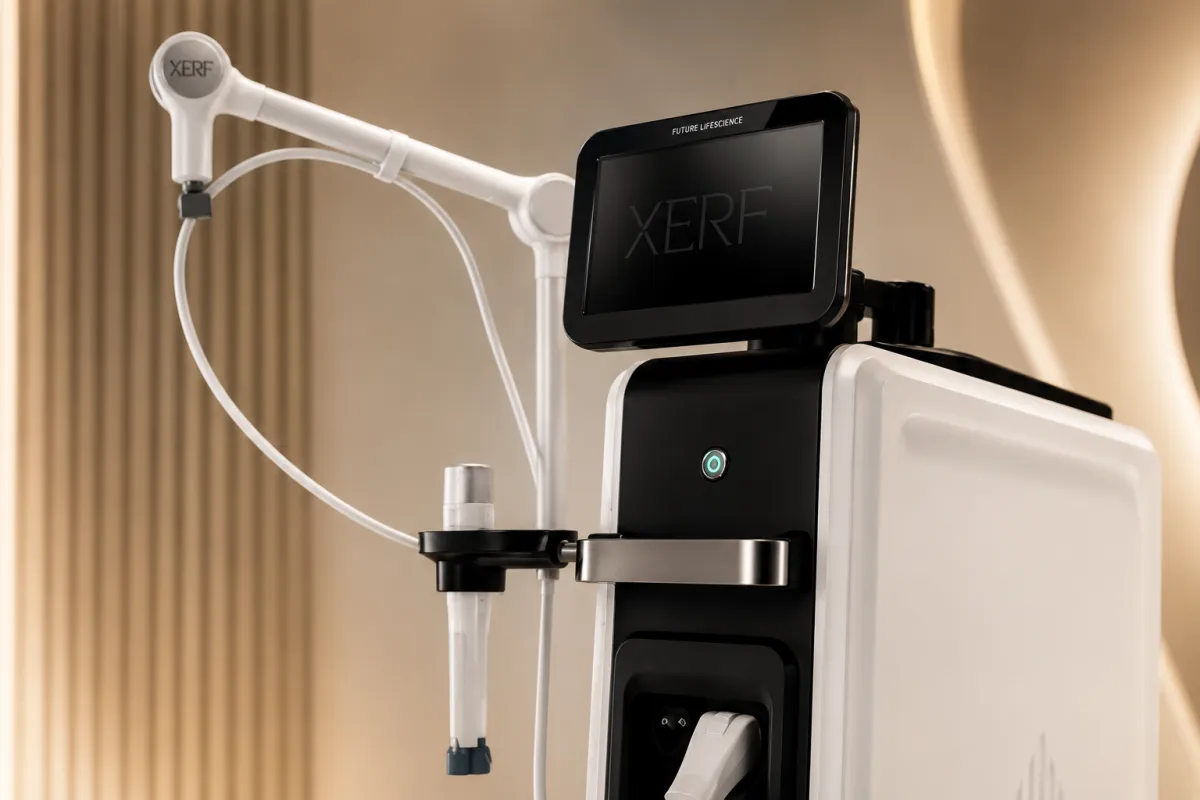
XERF Skin Tightening Results: What Can Change After 3 Months?
One of the most common questions patients ask about non-surgical skin tightening is simple: When will I actually see results?
With XERF, the answer isn’t necessarily immediately after you leave the clinic.
XERF is a non-invasive radiofrequency treatment designed to address skin laxity and support collagen remodeling beneath the skin. While some patients may notice early changes, one of the reasons people choose the treatment is its potential for progressive improvement over the weeks and months following treatment.
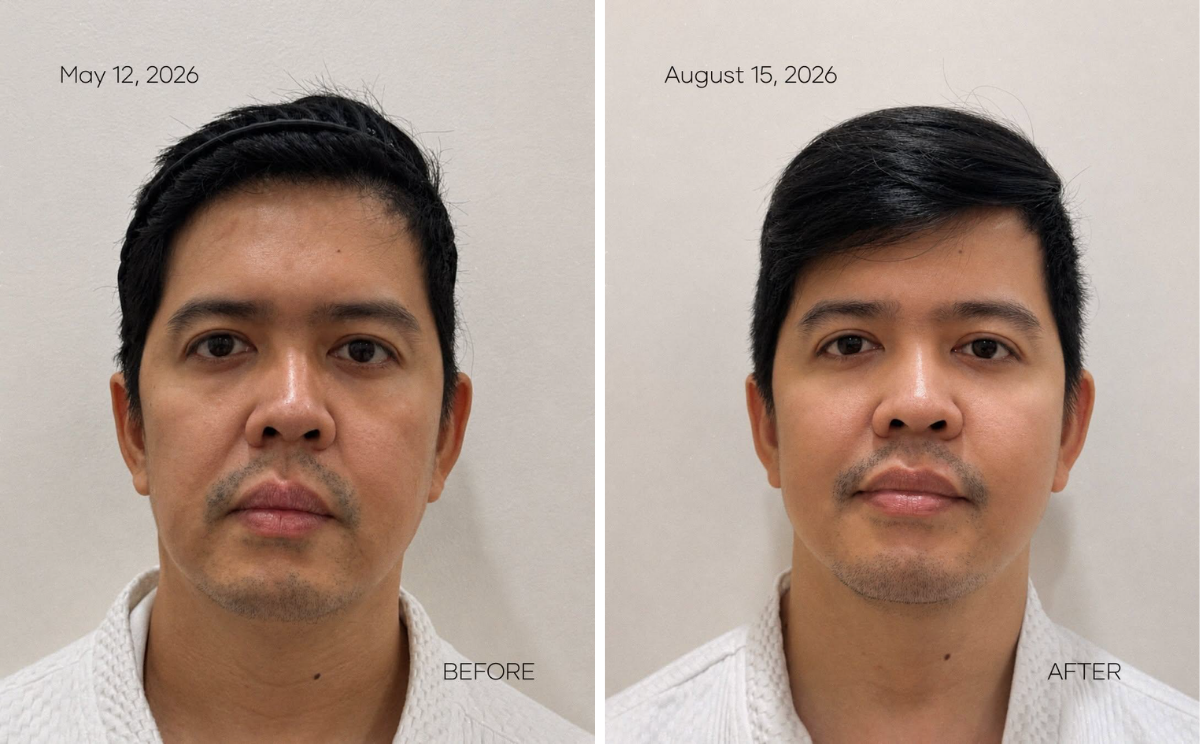
At MOLD Manila, we recently documented the progress of a male XERF patient from May to August 2026. Over approximately three months, his before-and-after photographs showed improved definition around the lower face and jawline, firmer-looking skin, and a more structured overall appearance.
The change wasn’t designed to make him look dramatically different.
He simply looked more defined.
Unlike surgical lifting procedures, XERF does not require incisions. It also provides an option for patients who want facial rejuvenation without relying on injectable treatments.
Radiofrequency energy generates controlled heat within targeted tissue. This thermal stimulation is used in aesthetic medicine to support changes in existing collagen and the biological processes involved in producing and remodeling collagen over time.
That distinction is important because XERF isn’t intended to create the same result as surgery.
Instead, it is suited to patients looking for gradual improvement in skin firmness, laxity, and facial definition without significantly changing their natural features.
What Do XERF Results Look Like After 3 Months?
XERF results can vary depending on factors such as age, skin quality, degree of laxity, treatment area, and individual response.
In one documented MOLD Manila patient treated between May and August 2026, photographs taken approximately three months apart showed noticeable changes in the lower face.
These included:
Improved jawline and lower-face definition
Firmer and tighter-looking skin
Reduced appearance of skin laxity
Greater visible structure through the lower face
A generally refreshed appearance without dramatically changing the patient’s features
This is an individual patient result rather than a guarantee of what every patient will experience. However, the case demonstrates an important characteristic of treatments such as XERF: results can continue to become more apparent over time rather than appearing as one dramatic overnight transformation.
Why Can XERF Results Continue Developing Over Time?
The progressive nature of XERF comes down to how radiofrequency skin tightening works.
XERF delivers controlled radiofrequency energy into targeted tissue, generating heat at specific depths. Rather than adding volume to the face, the treatment is designed to work with the skin’s existing structure and processes associated with collagen remodeling.
Because collagen remodeling does not happen overnight, XERF skin tightening results may continue evolving during the weeks and months following treatment.
This means evaluating XERF immediately after a session may not show the complete picture.
For patients, it can be useful to think about XERF as a progressive treatment rather than an instant transformation. Your provider may recommend documenting your progress with standardized photographs so changes in facial contour and skin firmness can be compared more accurately over time.
Can XERF Define the Jawline?
For appropriately selected patients, XERF may improve the appearance of the jawline when skin laxity is contributing to reduced lower-face definition.
The distinction between skin tightening and facial reshaping matters.
A less-defined jawline can have several causes, including loose skin, facial fat distribution, loss of structural support, skeletal anatomy, or a combination of these factors. XERF primarily addresses concerns related to tissue laxity rather than changing the underlying bone structure.
When laxity is contributing to a softer-looking lower face, tightening the skin can make the existing jawline appear cleaner and more defined.
This was one of the most noticeable changes in MOLD Manila’s documented three-month patient case.
However, someone seeking significant projection or structural augmentation may require a different treatment approach. This is why an in-person assessment is important: the best treatment for jawline definition depends on what is actually causing the lack of definition.
For example, a patient with adequate facial structure but increasingly loose skin may be better suited to a tightening treatment. A patient with volume loss or insufficient projection may benefit from a structural injectable instead.
Some patients may also be candidates for a combination approach.
The goal at MOLD Manila is not to use the same procedure for every face. Treatment recommendations are based on facial anatomy, skin quality, degree of laxity, and what the patient actually wants to change.
Why Are More Men Considering XERF?
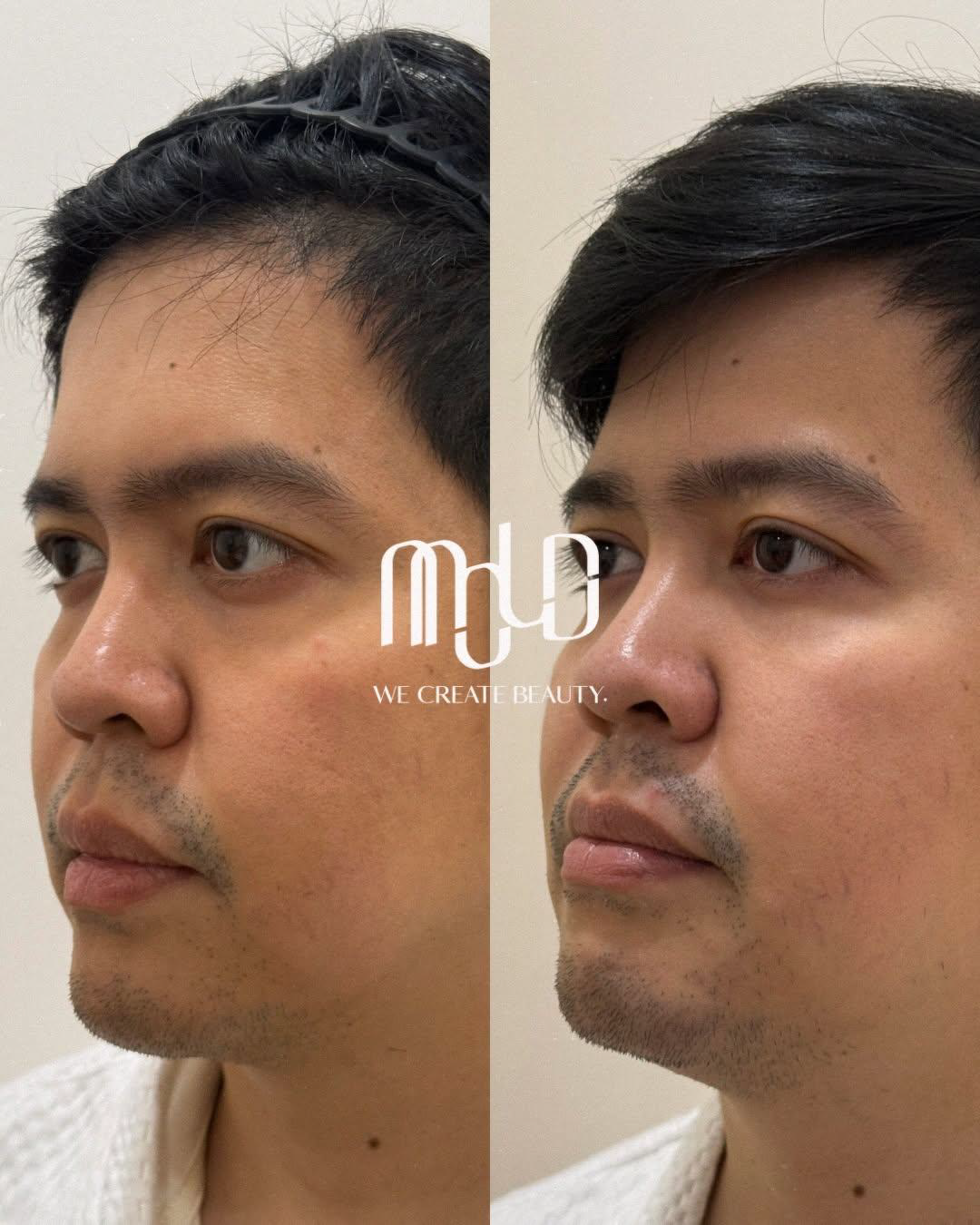
MOLD Manila has seen increasing interest in XERF among male patients, particularly those who want facial rejuvenation without creating an obvious “done” appearance.
For many male patients, the goal isn’t necessarily to look younger in a dramatic way. They may simply want to look less tired, improve lower-face definition, or address skin that has started to feel less firm.
XERF can be particularly relevant for this type of treatment goal because it does not add facial volume.
Instead, the objective is to work with the patient’s existing facial structure.
A stronger-looking jawline, firmer skin, and improved facial definition can therefore develop without deliberately altering the characteristics that make the patient’s face recognizable.
Does XERF Require Downtime?
XERF is designed as a non-invasive treatment, meaning there are no surgical incisions involved.
For patients comparing facial rejuvenation options, this can make radiofrequency skin tightening appealing when significant surgical recovery is not practical.
However, non-invasive does not mean that every patient will have exactly the same treatment experience or post-treatment response.
Your provider should explain what to expect before and after treatment, including possible temporary effects and any aftercare recommendations relevant to your treatment plan.
Is XERF the Same as a Facelift?
No.
XERF is not a replacement for a surgical facelift.
A facelift can reposition deeper facial tissues and remove or address substantial excess skin. A non-invasive radiofrequency device cannot reproduce the degree of correction possible with surgery.
XERF is more appropriate for patients whose concerns can reasonably be addressed through non-surgical skin tightening.
For mild to moderate laxity, or for patients who are beginning to notice changes in facial firmness and definition, non-invasive treatments may offer an option before surgical intervention becomes appropriate.
Patients with significant skin laxity should be assessed individually rather than being promised facelift-level results from an energy-based device.
It may also appeal to patients who prefer treatments that create progressive rather than immediately obvious changes.
That doesn’t mean everyone experiencing facial aging automatically needs XERF.
Skin laxity can sometimes be confused with volume loss, changes in facial fat, or loss of structural support. Treating the wrong problem can produce an underwhelming result regardless of how advanced the technology is.
At MOLD Manila, consultation therefore begins with determining why the face is changing before deciding how it should be treated.
How Many XERF Sessions Do You Need?
There isn’t one treatment schedule that applies to every XERF patient.
The appropriate number and timing of sessions depend on your skin condition, treatment goals, areas being addressed, previous aesthetic treatments, and your provider’s assessment.
This is also why comparing your timeline directly with someone else’s before-and-after photographs can be misleading.
The three-month case documented by MOLD Manila demonstrates what was observed in one individual patient. Your own response and recommended treatment plan may be different.
When Should You Start Non-Surgical Skin Tightening?
There is no specific age at which everyone needs skin tightening.
A better question is: What changes are happening to your face?
Two people of the same age can have very different skin quality, facial structure, lifestyle factors, and degrees of laxity.
Some patients begin exploring radiofrequency treatments when their jawline starts looking softer in photographs. Others notice changes around the cheeks, lower face, or neck. Some are primarily interested in maintaining skin firmness rather than correcting advanced laxity.
Treatment should therefore be based on the condition of the skin and facial anatomy rather than age alone.
Natural-Looking Results Take a Different Approach
Aesthetic medicine doesn’t always have to produce an immediate or dramatic transformation.
For many MOLD Manila patients, the objective is the opposite.
You should still look like yourself.
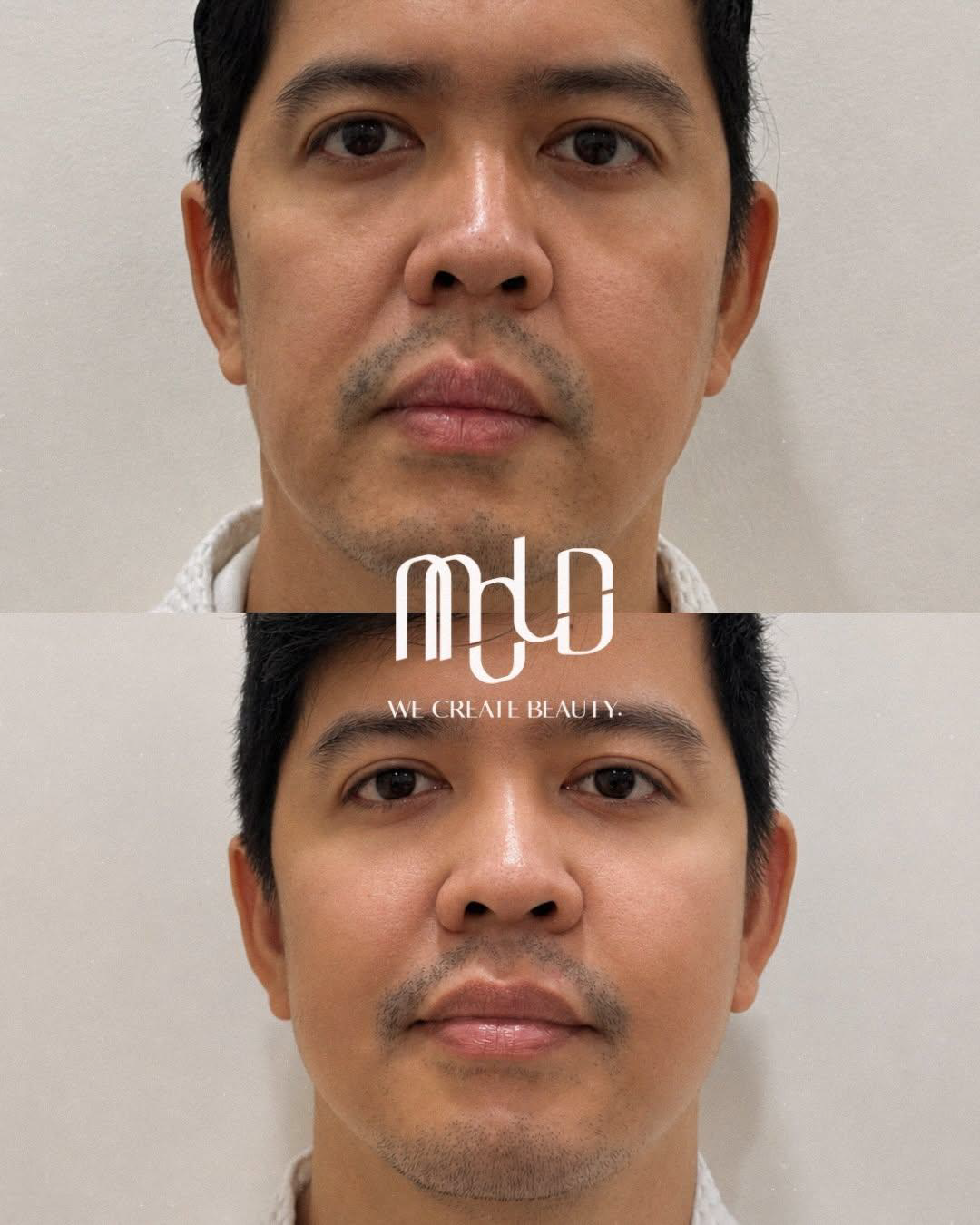
The difference may be a cleaner jawline, firmer-looking skin, better facial definition, or simply an appearance that feels more refreshed.
Our documented XERF case from May to August 2026 illustrates that philosophy. Rather than changing the patient’s face, the progression shows how subtle improvements in firmness and definition can become increasingly visible over time.
And because XERF results depend on your individual anatomy, skin condition, and response to treatment, determining whether it is appropriate for you starts with a professional assessment.
XERF skin tightening is available at MOLD Manila’s Katipunan and Baesa clinics in Quezon City.
Book a consultation with MOLD Manila to have your skin laxity and facial structure assessed and determine whether XERF should be part of your treatment plan.
Individual results, treatment requirements, and recovery experiences may vary.