
Smooth Legs and Spider Vein Removal in Manila: Your Expert Guide to Zero Downtime Sclerotherapy at MOLD Manila
Sclerotherapy is a minimally invasive procedure designed to effectively treat spider veins and varicose veins, promoting smooth and clear legs without significant downtime. This guide will delve into what sclerotherapy is and how it can benefit individuals suffering from vascular conditions. Many people experience insecurity due to the appearance of spider veins, which can detract from their confidence and overall aesthetic appeal. Fortunately, MOLD Manila offers expert sclerotherapy solutions tailored to address these concerns and restore beauty to the legs.
In this article, we’ll explore important topics such as an overview of sclerotherapy, the causes of spider veins, the sclerotherapy procedure itself, and what patients can expect from their experience at MOLD Manila.
Patients can expect an outpatient experience, often completed in under an hour, allowing them to resume their normal activities shortly after treatment. Sclerotherapy has a high success rate for visible vein removal and is considered a safe, well-tolerated procedure.
Understanding Spider Veins: Why Do They Appear?
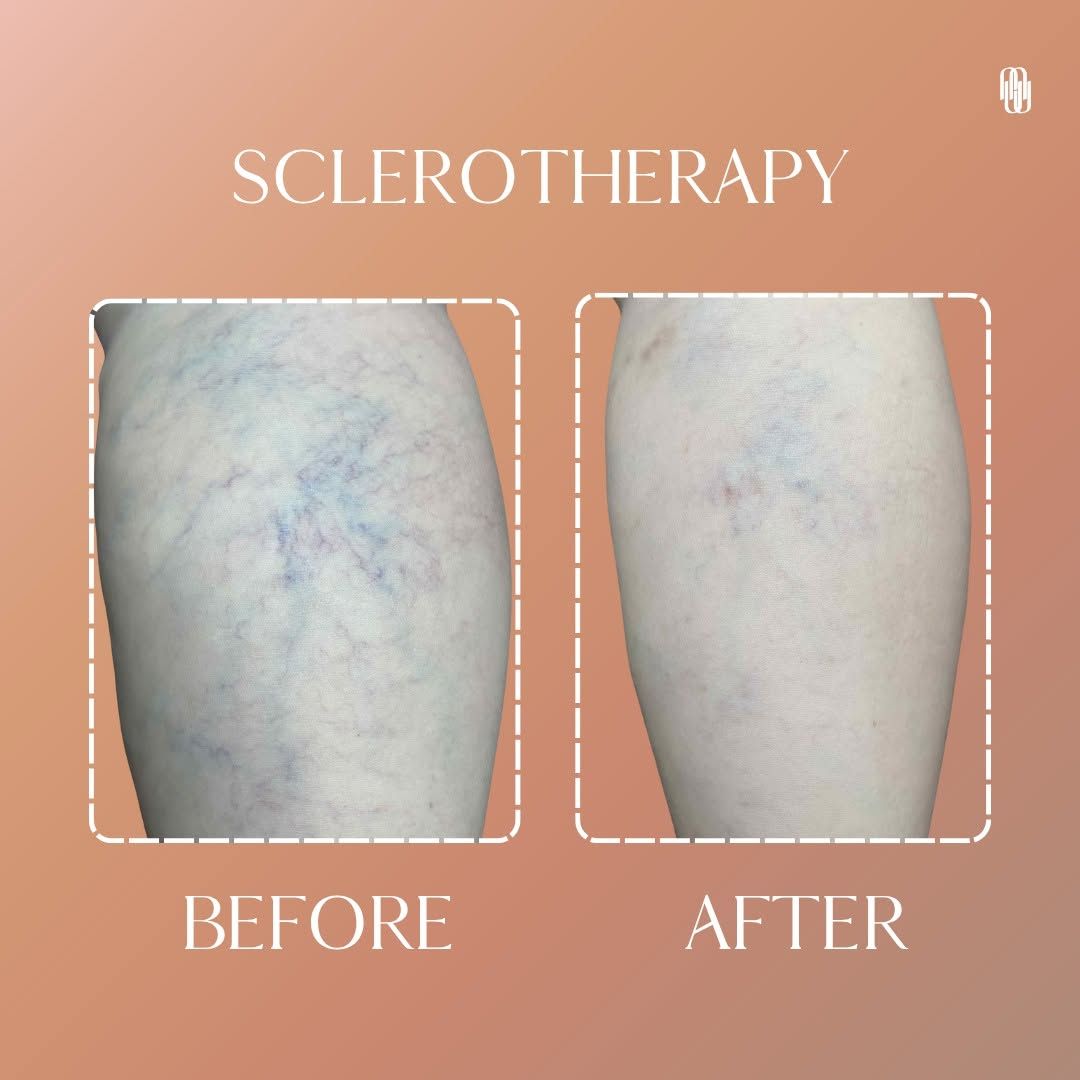
Spider veins are small, dilated blood vessels that appear close to the surface of the skin and often manifest as blue or red lines. These veins can be more than just a cosmetic issue; they may indicate underlying concerns regarding venous health.
The Causes
Spider veins can be attributed to various factors, including genetic predisposition, hormonal changes, and prolonged periods of standing or sitting without movement. Environmental elements like sun exposure can also contribute to their formation. Studies indicate that aging and lifestyle choices, such as inactivity and obesity, significantly increase the risk of developing spider veins.
More Than Just Cosmetic
While often perceived as a cosmetic issue, spider veins can signal deeper vascular problems. They may indicate poor circulation or venous insufficiency, conditions that could lead to more serious health issues if left unaddressed. Understanding these potential risks can motivate individuals to seek treatment proactively.
The versatility and minimal invasiveness of polidocanol, a type of sclerosing agent, make it a favored treatment for various venous disorders, highlighting its role in the success of sclerotherapy.
Polidocanol in Sclerotherapy: Mechanisms, Uses & Safety
Polidocanol is a widely recognised drug for its effectiveness as a sclerosant in the treatment of lymphovenous disease. The versatility and minimal invasiveness of polidocanol make it a favoured treatment modality for chronic venous disease (CVD) and other venous and vascular disorders. Especially, polidocanol foam sclerotherapy achieves high closure rates and efficiency compared to thermal ablation, in cases of venous hypertension affecting small tributary veins of the peripheral venous system.
The underlying pathophysiology of these venous disorders is multifactorial. Elevated venous hypertension and related microcirculatory barriers lead to cellular damage. Additionally, CVD manifestations are typically limited to the lower legs because venous return is hindered by anatomical and gravitational forces, especially around the ankle. In addition, clinical severity tends to increase with procedures that occlude venous ,exit sites, further distorting circulatory dynamics.
Genetic influences on the integrity of collagen and elastin contribute importantly to venous wall strength. It also became apparent that the actual primary pathological cause is not valve malfunction but venous wall weakness. Polidocanol addresses this by targeting venous wall instability, highlighting that varicose (dilated) veins are a symptom, not the disease itself. It has a superior safety profile compared to agents like sodium tetradecyl sulphate and hypertonic saline and hence is a preferred choice for treating haemorrhoidal disease, oesophageal varices, telangiectasias, lymphovenous malformations, and CVD.
Polidocanol use is associated with a very low incidence of complications, and the development of foam formulations has further enhanced its efficacy by improving retrograde flow dynamics. During sclerotherapy, forceful injection of polidocanol can cause intervention with plasma proteins, increasing its foam stability and therapeutic effectiveness. Polidocanol in Sclerotherapy for Lymphovenous Disorders: Mechanisms, Clinical Uses, and Future Prospects: KSS Parveen et al., 2026
How the Science Works
The procedure involves the use of a sclerosing agent, which can vary based on the specific needs of the patient. When injected, the agent causes the vein to seal off and gradually fade from visibility. The result is not only an aesthetic improvement but also a reduction in any discomfort associated with compromised veins.
Who is the Ideal Candidate
The ideal candidates for sclerotherapy include individuals who are generally healthy and looking to treat spider veins primarily for cosmetic reasons, though those experiencing discomfort may also benefit. A consultation with the practitioner at MOLD Manila can help determine candidacy based on the patient’s medical history and the results expected.
The MOLD Manila Experience: What to Expect
When considering sclerotherapy at MOLD Manila, patients can expect a thorough approach tailored to their unique concerns and conditions. The entire process is designed to ensure comfort and satisfaction.
During the initial consultation, practitioners will discuss patients' medical histories and their goals for treatment. This discussion is crucial in formulating a personalized treatment plan, addressing any questions or concerns patients may have regarding the procedure.
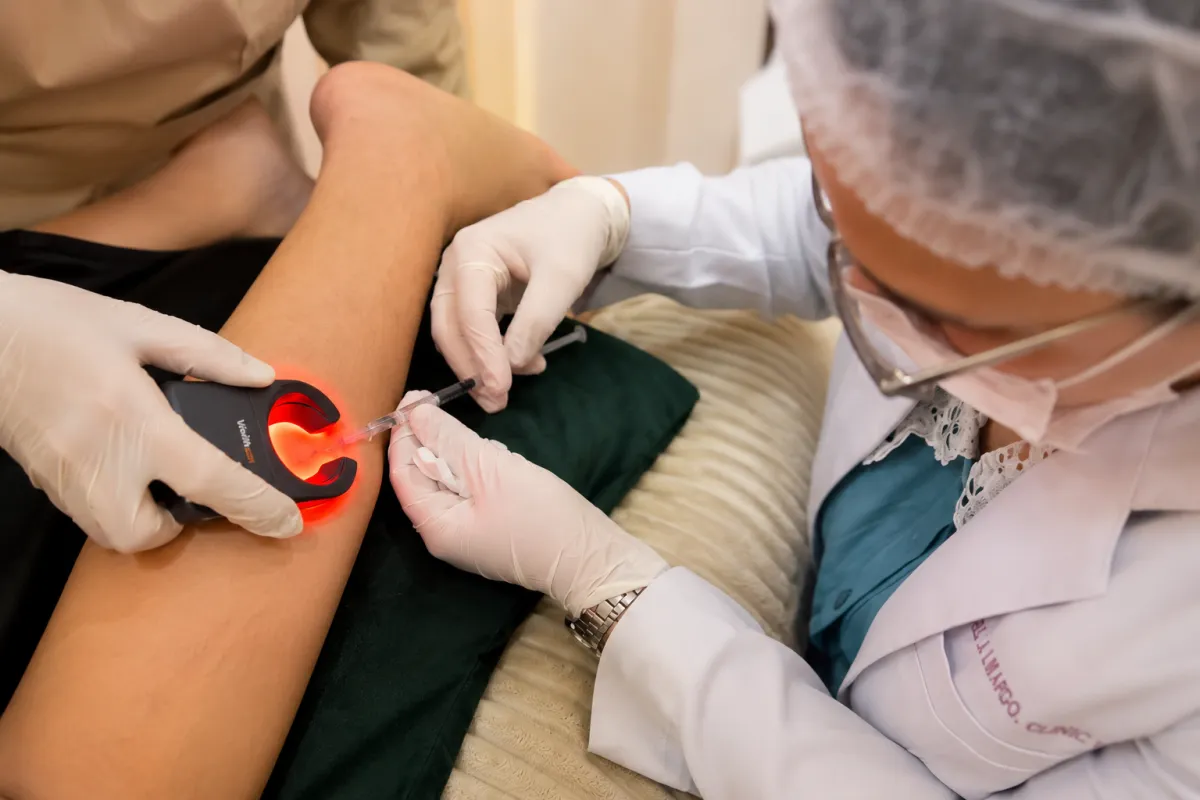
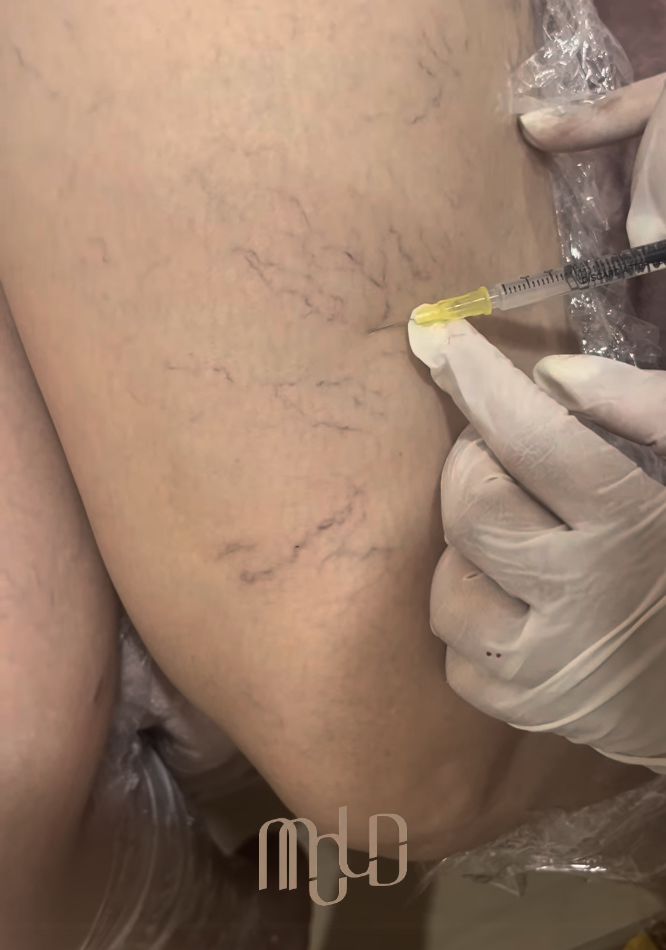
On the day of the procedure, patients can expect the treatment to last about 30 minutes to an hour. During sclerotherapy, the practitioner will inject the sclerosing agent into the targeted veins using a very fine needle. Patients may feel a slight burning sensation, but the procedure is generally well-tolerated and does not require anesthesia.
Post-treatment, patients may experience minor bruising or swelling, which can usually be alleviated with simple home care such as icing the treated areas and wearing compression stockings. The recovery process is typically quick, with many patients returning to their normal daily activities immediately after the procedure.
Why MOLD Manila?
MOLD Manila is recognized for its commitment to providing comprehensive and expert vein treatment solutions. The clinic employs skilled practitioners specializing in sclerotherapy and offers a patient-centered approach to care.
Ready for Flawless Legs?
Achieving smooth, clear skin is possible with the right treatment plan. If you're dealing with spider veins and looking to restore your confidence, sclerotherapy at Mold Manila may be an ideal option.
For more details regarding our sclerotherapy services, visit us and learn how we can help you embrace flawless legs once again.