
Inside MOLD Manila’s First Open Structural Rhinoplasty: Why Gore-Tex Was Chosen
A New Chapter for Mold Manila
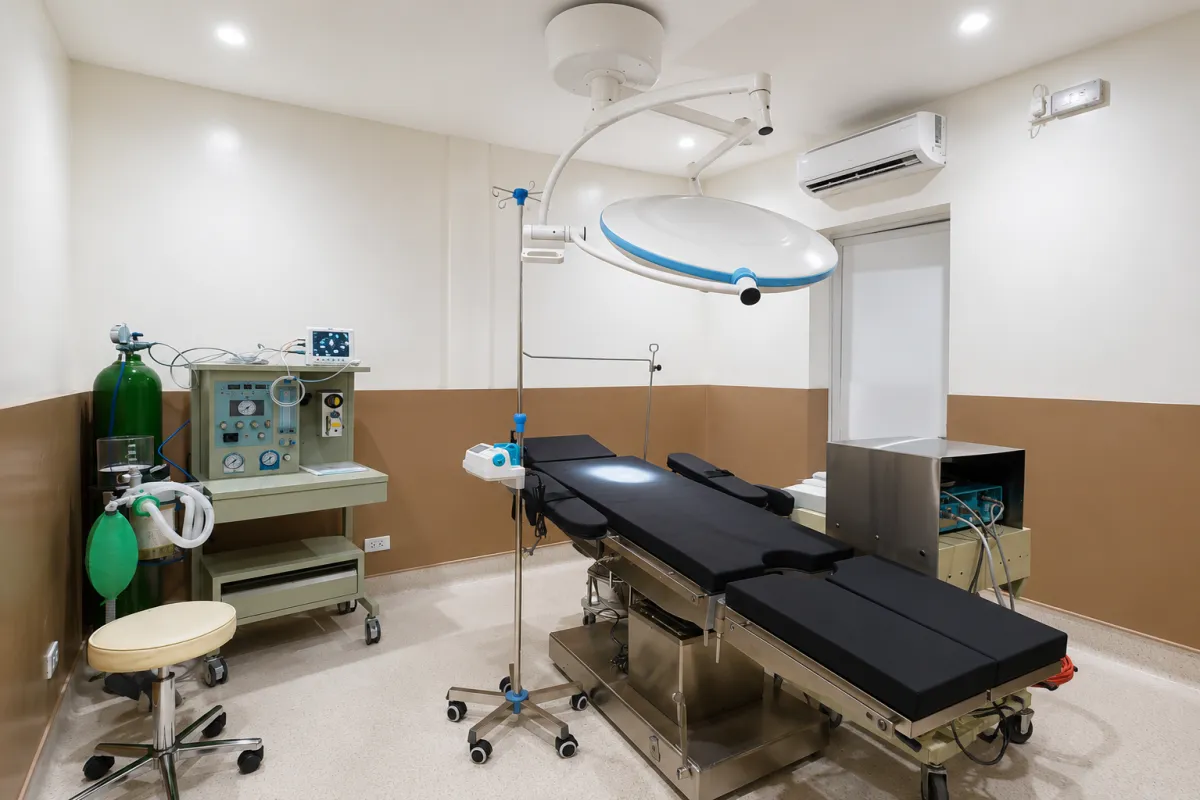
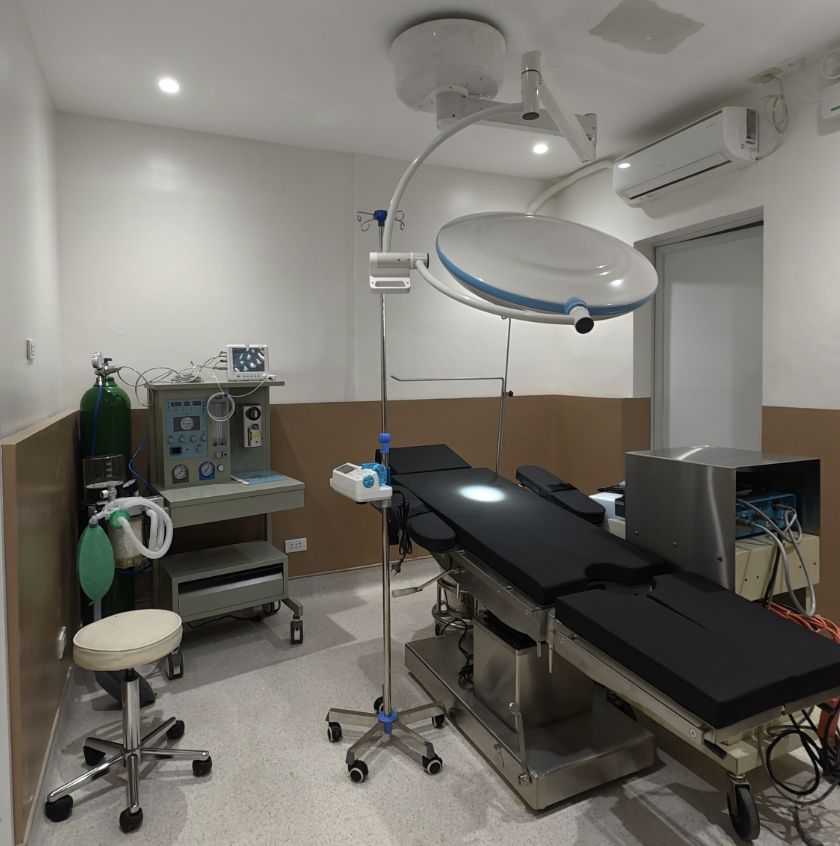
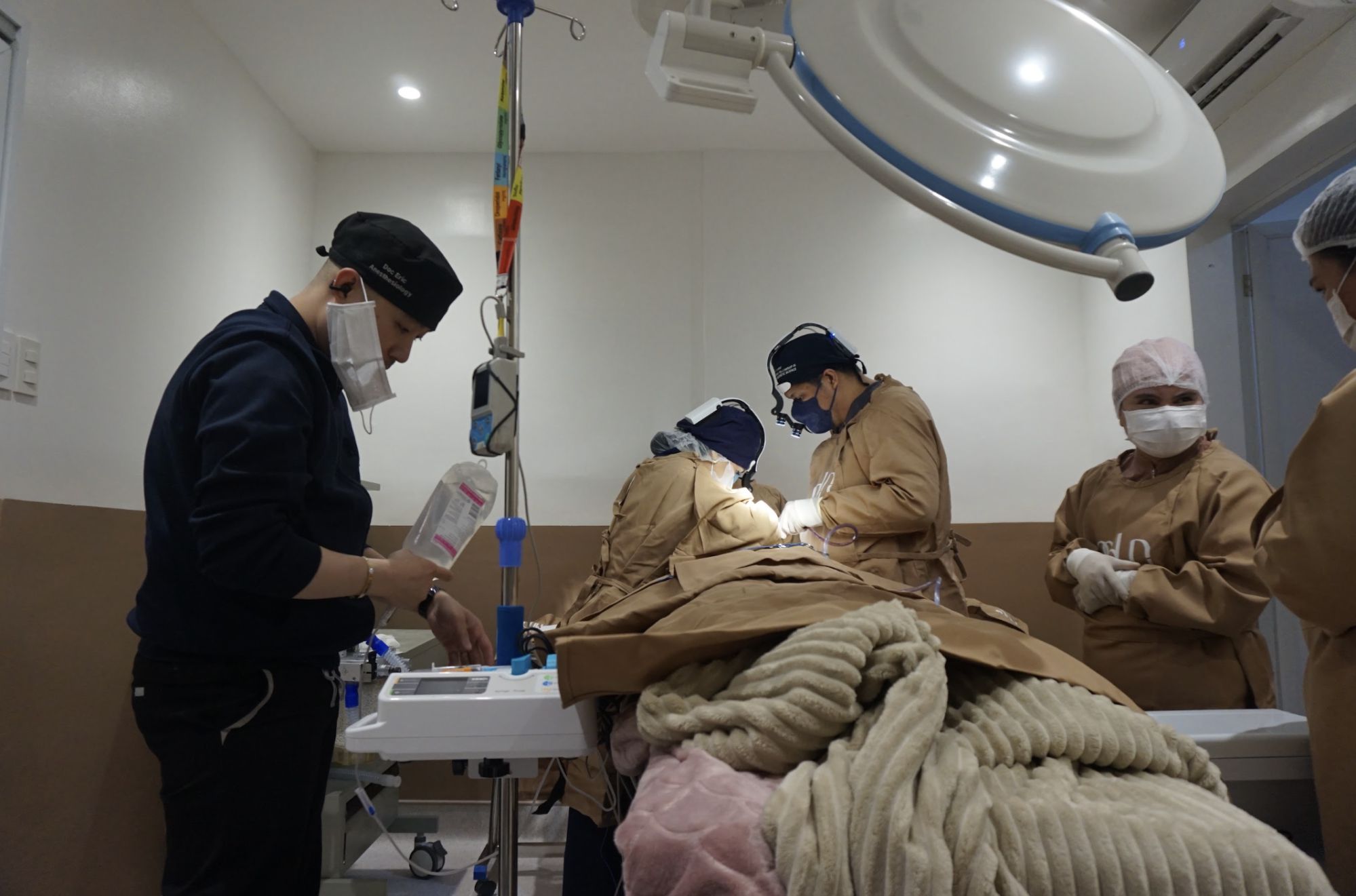
On July 30, 2026, MOLD Manila completed the first surgery inside its newly opened surgical wing—an open structural rhinoplasty performed by Dr. Donna Eramis, with Dr. Eric Tapang serving as anesthesiologist.
For a clinic recognized for its non-surgical aesthetic treatments, the milestone represents an important evolution. Patients can now receive both non-invasive and surgical procedures within the same facility, guided by the same medical philosophy of personalized treatment, patient safety, and evidence-based care.
The procedure also marked another milestone for the clinic: the use of Gore-Tex (expanded polytetrafluoroethylene or ePTFE) as the implant material for the patient’s nasal augmentation, selected based on the patient’s anatomy and surgical objectives.
Why MOLD Manila Built a Dedicated Surgical Wing
A successful rhinoplasty depends on more than surgical technique. It also requires an environment designed specifically for safe elective surgery.
MOLD Manila’s dedicated surgical wing was built to provide a complete patient journey—from consultation through recovery—in one coordinated facility.
Patients benefit from:
Dedicated consultation, operating, and recovery areas
A multidisciplinary medical team working together throughout treatment
Comprehensive medical assessment before surgery
Structured post-operative follow-up and monitoring
Rather than coordinating care across different facilities, every stage of treatment is managed within MOLD Manila’s surgical center, allowing greater continuity of care and a more streamlined patient experience.
Meet the Medical Team
Every successful rhinoplasty involves collaboration between multiple healthcare professionals.
MOLD Manila’s first surgical case was led by Dr. Donna Eramis, with Dr. Eric Tapang overseeing anesthesia and patient monitoring throughout the procedure.
While the surgeon focuses on reshaping the nose, the anesthesiologist is responsible for evaluating the patient’s medical fitness before surgery, administering anesthesia safely, continuously monitoring vital signs during the procedure, and supervising recovery afterward.
This collaborative approach ensures that patient safety remains the priority before, during, and after surgery.
Why Gore-Tex Was Chosen for This Procedure
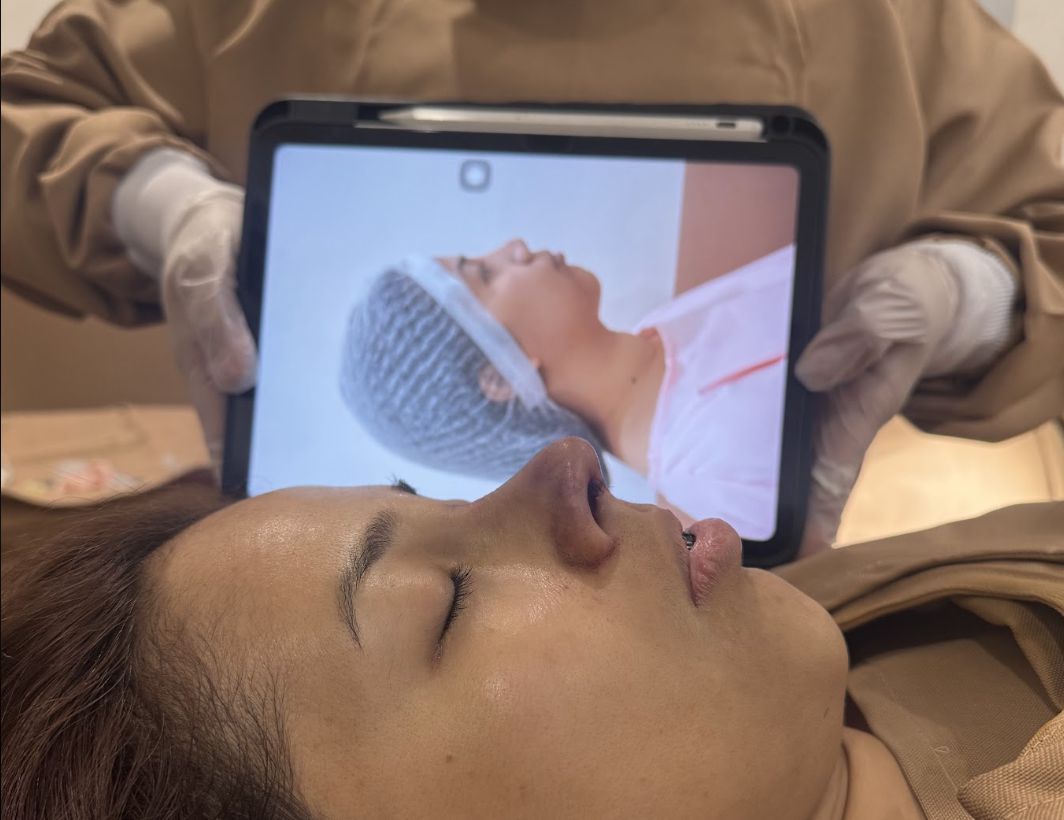
For MOLD Manila’s first surgical rhinoplasty, Dr. Donna Eramis selected Gore-Tex (expanded polytetrafluoroethylene or ePTFE) as the implant material.
Gore-Tex has been used in reconstructive and aesthetic surgery for decades because of its unique microporous structure. Unlike solid implants, Gore-Tex allows surrounding tissue to integrate with the material over time, helping stabilize the implant while maintaining a soft, natural feel.
The material is particularly valued in patients seeking subtle augmentation of the nasal bridge with a more natural contour.
Choosing an implant material is never a standardized decision. Every patient has unique anatomy, skin thickness, facial proportions, and aesthetic goals. During consultation, the surgeon carefully evaluates these factors before recommending the most appropriate surgical approach and implant material.
Gore-Tex vs. Silicone: Understanding the Difference
Both Gore-Tex and medical-grade silicone are well-established implant materials used in rhinoplasty. Each offers distinct advantages, and neither is considered universally better than the other.
Rather than asking which material is better, the more important consideration is which implant is most appropriate for the individual patient.
Some patients benefit from the softer characteristics and tissue integration of Gore-Tex, while others may be better suited for silicone or cartilage grafting. The decision depends on the patient’s anatomy, desired outcome, previous surgeries, and the surgeon’s treatment plan.
Who Is a Candidate for Open Structural Rhinoplasty?
Open structural rhinoplasty may be appropriate for individuals who wish to:
Improve the shape or proportion of their nose
Increase bridge height
Refine the nasal tip
Correct asymmetry
Improve structural support
Address functional concerns affecting breathing
Undergo revision rhinoplasty
The best candidates are generally healthy adults who have completed facial growth and have realistic expectations regarding surgical outcomes.
At MOLD Manila, candidacy is determined through a comprehensive surgical consultation rather than photographs alone.
Your Surgical Journey at MOLD Manila
Every rhinoplasty begins with careful planning.
Patients first attend a surgical consultation, either online or in person, where their goals, facial anatomy, and medical history are evaluated.
If surgery is appropriate, patients undergo laboratory testing and medical clearance, including anesthesia assessment, before scheduling their procedure.
Leading up to surgery, patients receive detailed pre-operative instructions to help them prepare safely.
Following surgery, scheduled follow-up appointments allow the medical team to monitor healing and guide recovery every step of the way.
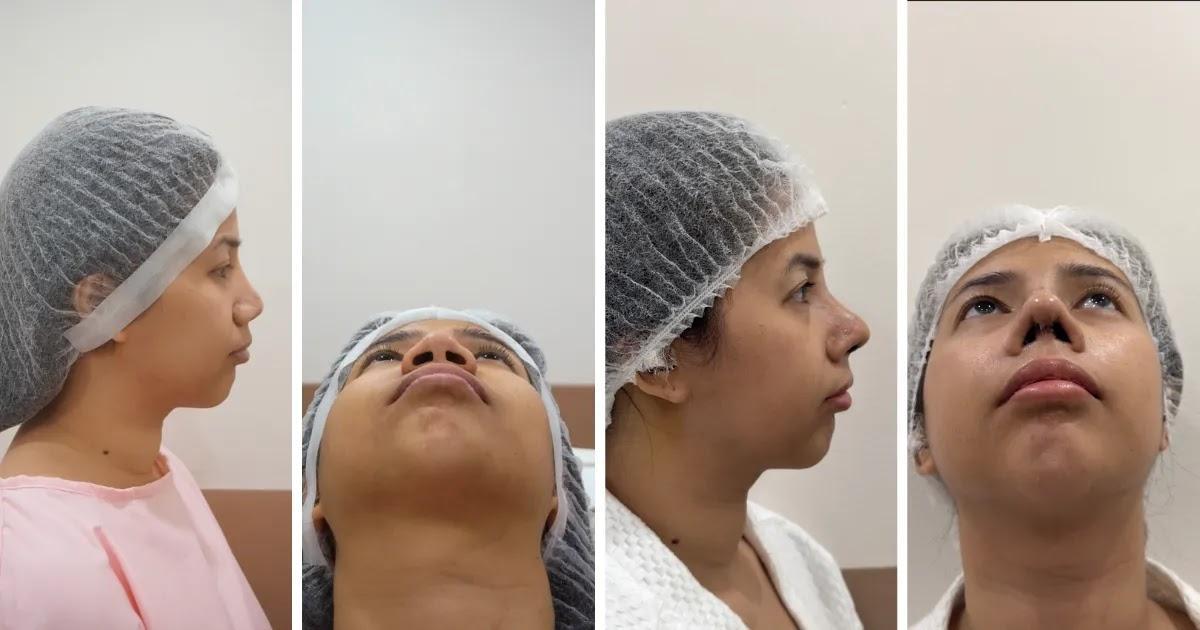
Recovery After Open Structural Rhinoplasty
Recovery varies from patient to patient, but healing generally follows a predictable timeline.
During the first one to two weeks, swelling and bruising are typically at their most noticeable. Many patients feel comfortable returning to desk-based work within this period, although strenuous exercise and activities that risk injury to the nose should be avoided.
Over the following months, swelling gradually decreases as the nose becomes more refined.
Patients should understand that rhinoplasty requires patience. While significant improvements are visible within the first few months, final refinement—particularly around the nasal tip—may continue for up to one year or longer depending on individual healing and skin thickness.
Throughout recovery, MOLD Manila provides scheduled follow-up appointments and personalized aftercare guidance to support optimal healing.
Begin Your Rhinoplasty Journey
Every successful rhinoplasty begins with a thorough consultation and a treatment plan tailored to your unique anatomy and aesthetic goals.
At MOLD Manila, your surgical journey starts with a comprehensive evaluation by our medical team. During your consultation, we’ll assess your facial structure, discuss your desired outcome, review your medical history, and determine whether open structural rhinoplasty—and the most appropriate surgical technique or implant material, whether Gore-Tex, silicone, or cartilage grafting—is right for you.
To learn more about MOLD Manila’s surgical services, consultation process, and available facial procedures, visit our Surgical Procedures page. The page provides an overview of the clinic’s surgical offerings and what you can expect before your procedure.
When you’re ready to take the next step, schedule your Surgical Initial Consultation with MOLD Manila. Our goal is to provide honest, individualized recommendations based on your anatomy—not a one-size-fits-all approach—so you can make an informed decision with confidence.