
Heat, UV, and Melasma: How to Schedule, Prepare, and Heal Your Summer Chemical Peel for Optimal Skin Results
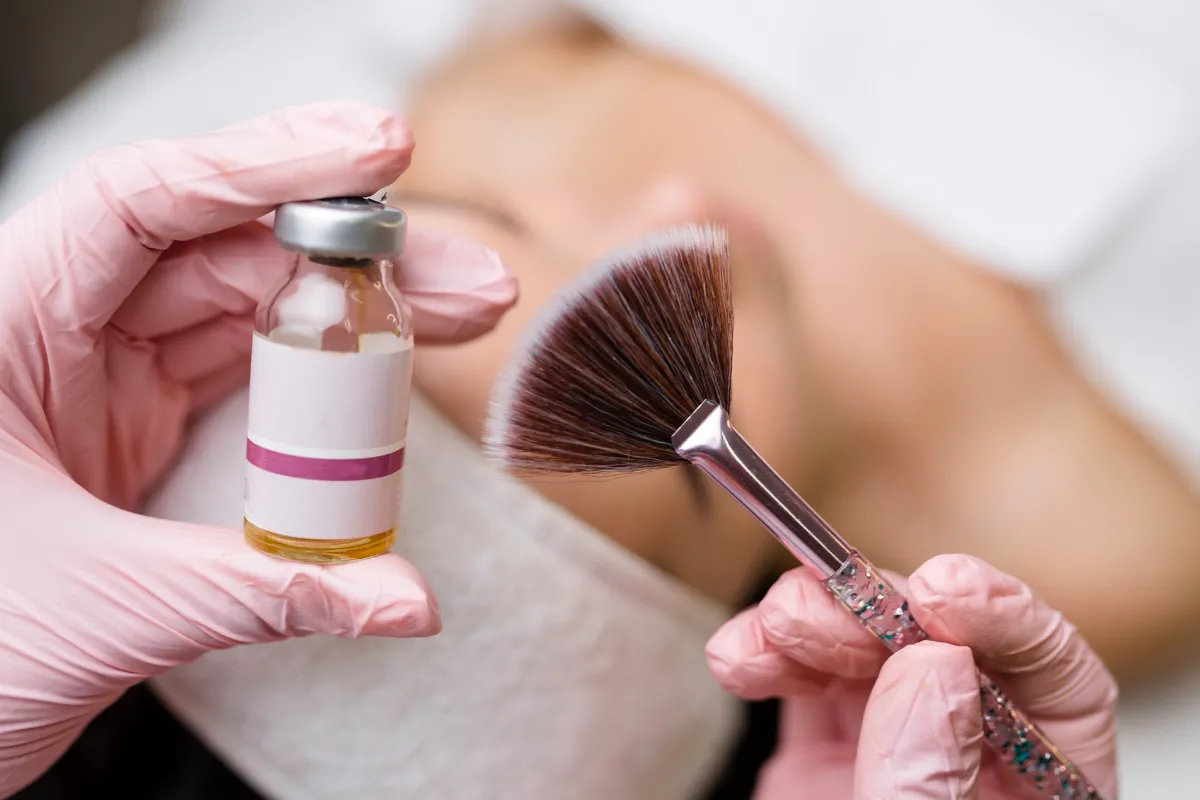
As summer approaches, many individuals consider chemical peels to rejuvenate their skin, particularly for conditions like melasma. Because heat and UV can trigger pigmentation and slow healing, thoughtful scheduling, preparation, and aftercare are essential. This guide explains what influences melasma in summer, how to time your peel, what to do before treatment, and how to care for your skin afterward for safer, more consistent results. For readers who prefer an expert-guided plan, Mold Manila—an aesthetic and wellness clinic in Quezon City—offers Melasma Peel + Melanocure, a combined professional peel and targeted intradermal treatment designed to help manage stubborn pigmentation safely, even in high-UV months.
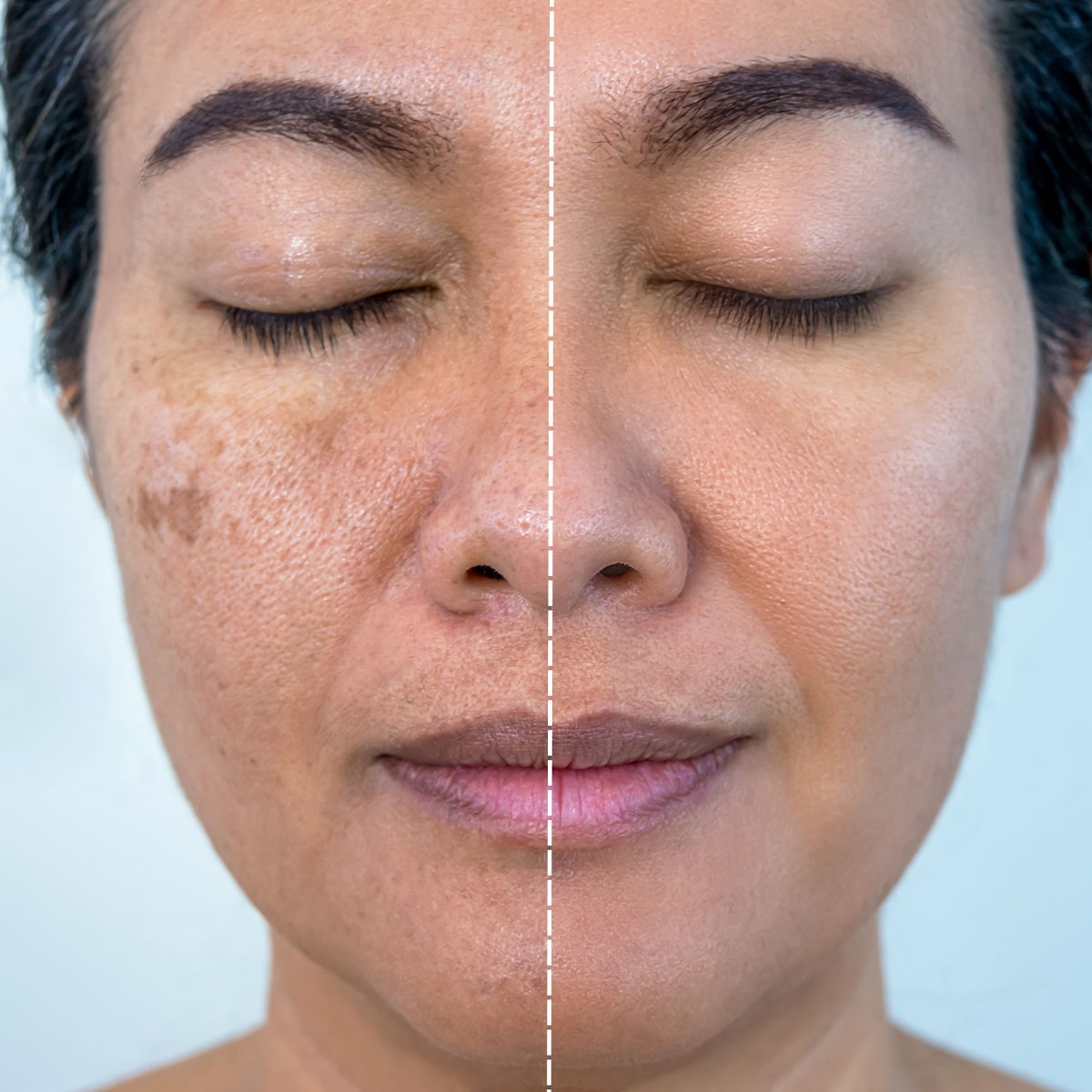
How Do Heat and UV Exposure Influence Melasma and Skin Healing?
High temperatures and sweat can irritate freshly peeled skin and prolong redness, increasing the chance of post-inflammatory hyperpigmentation (PIH).
UV exposure (UVA/UVB) during the healing window can reverse gains from a peel and darken patches.
Minimizing heat and UV before and after your peel improves outcomes and reduces complications.
Which Chemical Peel Types Are Most Effective for Treating Melasma?
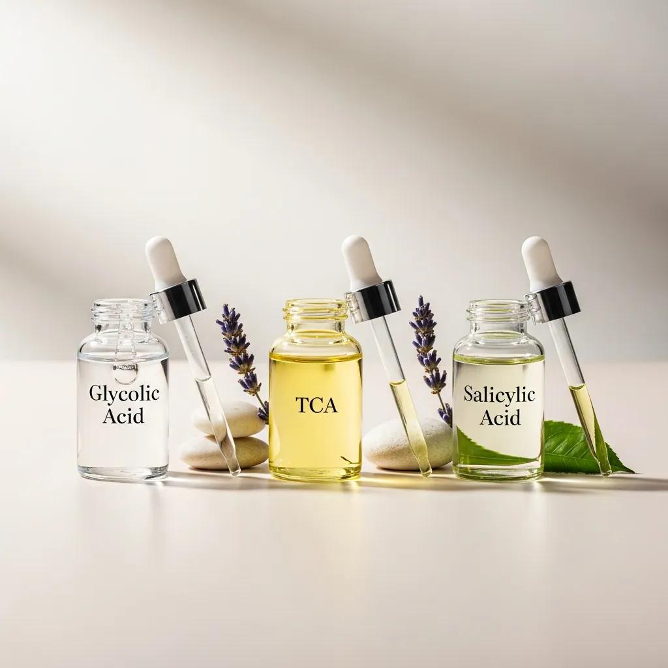
Melasma often responds best to a series of superficial to medium-depth peels combined with pigment-suppressing skincare. Common options include:
Glycolic acid (AHA): Boosts cell turnover; helpful for surface pigmentation.
Lactic acid (AHA): Gentle; suitable for sensitive or dry skin.
Jessner’s solution (resorcinol/lactic/salicylic): Targets pigment with controlled exfoliation.
Salicylic acid (BHA): Oil-regulating; useful if melasma coexists with acne.
Low–medium strength TCA: For more stubborn pigmentation; requires careful selection and aftercare.
How they work together
Strategic pairing: The peel refines and optimizes the skin’s surface, while Melanocure delivers pigment-modulating actives intradermally for complementary results.
Expert-guided plan: Your provider customizes the sequence, spacing, prep, and aftercare to suit your skin type, lifestyle, and seasonal UV/heat exposure.
How Should You Schedule Your Summer Chemical Peel to Minimize Risks?
Best timing for heat and UV
Book early morning or late afternoon to avoid peak UV (10 AM–4 PM) and higher temperatures.
Choose dates with a lower UV index when possible and plan for several “low-sun” days post-peel.
Avoid major outdoor events, beach trips, hikes, hot yoga, saunas, or travel to high-UV destinations for at least 1–2 weeks after.
Seasonal variation and outcomes
With only two main seasons—hot/dry and rainy—UV remains strong year-round. Peels can be safe in either season with strict sun protection and heat management.
Hot/dry season: Prioritize early morning or late afternoon appointments, limit outdoor time for 1–2 weeks post-peel, and manage sweat/heat to reduce PIH risk.
Rainy season: Cloud cover can make scheduling easier, but UV still penetrates clouds. Maintain daily SPF, shade, and protective clothing; plan for humidity and sweat control.
Plan a series spaced 3–4 weeks apart; avoid stacking peels too close during periods of intense sun exposure (beach trips, outdoor events) or if skin is still pink/reactive.
Under Mold Manila’s Melasma Peel + Melanocure program, timing and spacing are tailored to your routine and local UV/heat conditions to help minimize PIH.
What Are the Essential Steps to Prepare Your Skin for a Summer Melasma Peel?
Pre-peel skincare (2–4 weeks prior, as advised by your provider)
Hydrate and repair: Use a gentle cleanser and a ceramide-rich moisturizer.
Pigment suppressors: Consider tyrosinase inhibitors (azelaic acid, kojic acid, arbutin; hydroquinone if prescribed).
Retinoids: May be used to boost turnover if appropriate; typically pause 3–5 days before the peel.
Pause irritants: Stop scrubs, waxing, strong acids, and at-home peels 5–7 days pre-peel.
Patch testing: Especially important for reactive or darker skin tones.
Protect from UV and heat before the peel
Daily broad-spectrum SPF 50 (mineral filters like zinc oxide/titanium dioxide are preferred); reapply every 2 hours outdoors.
Wear a UPF hat, sunglasses, and sun-protective clothing; seek shade whenever possible.
Avoid heat/sweat triggers 24–48 hours before your appointment.
Melasma Peel + Melanocure includes structured pre-conditioning with pigment suppressors and barrier support, tailored to your skin type.
Post-peel aftercare to manage heat and UV
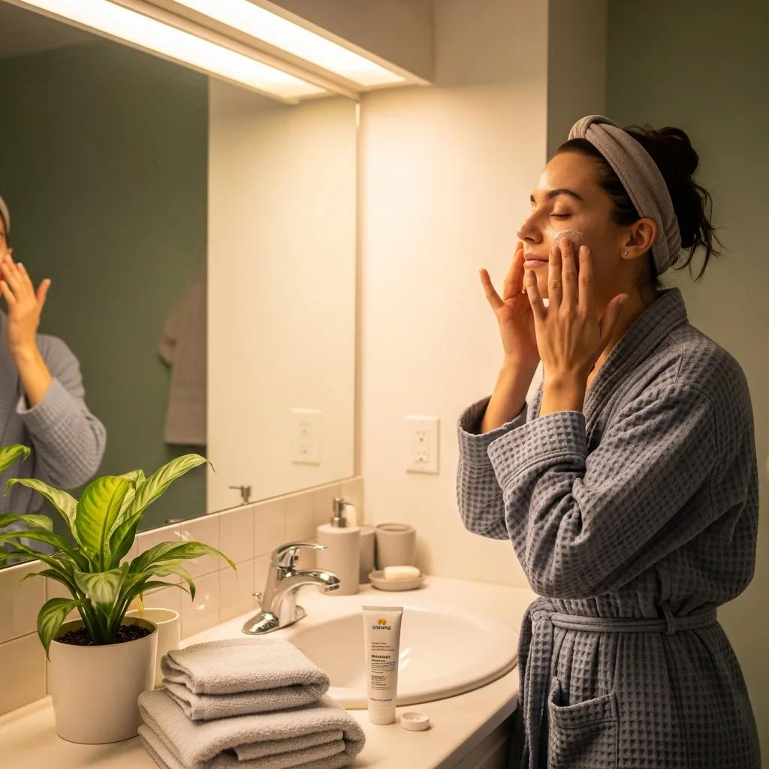
Moisturize: Use a bland, hydrating moisturizer (ceramides, glycerin) to reduce dryness and tightness.
Strict sun protection: Mineral SPF 50 daily; reapply every 2 hours outdoors. Wear a UPF hat and avoid direct sun for at least 2 weeks.
Gentle cleansing: Choose a mild, non-foaming cleanser and use lukewarm water only.
Hands off: Do not pick or peel flakes; let skin shed naturally.
Avoid heat and friction: Skip saunas, hot yoga, intense workouts, or hot showers for 48–72 hours (longer if skin remains pink).
Pause actives: Hold retinoids, exfoliating acids, vitamin C (if stinging), and benzoyl peroxide until your provider clears you—often 5–10 days.
Barrier repair: Keep the first week simple (cleanser + moisturizer + mineral SPF).
Post-peel aftercare is built into the program, with simple routines and follow-up guidance to protect your results through summer heat and UV.
How Does Proper Aftercare Influence Melasma Treatment Results?
Reduces the risk of PIH and pigment rebound.
Supports even healing and longer-lasting clarity.
Enhances outcomes from combination plans (e.g., tyrosinase inhibitors, antioxidants, tranexamic acid, maintenance SPF).
Summer peels can be effective for melasma with the right timing, preparation, and diligent aftercare. If you want a personalized path, begin by scheduling a consultation with Mold Manila. During this initial visit, you’ll discuss your skin goals and history and receive tailored recommendations— including a customized Melasma Peel + Melanocure plan with expert‑guided scheduling, prep, and aftercare—so your treatment fits your lifestyle and local UV/heat conditions.
Book your consultation now at https://moldmanila.com/booking and take the first step toward clearer, more even skin.