
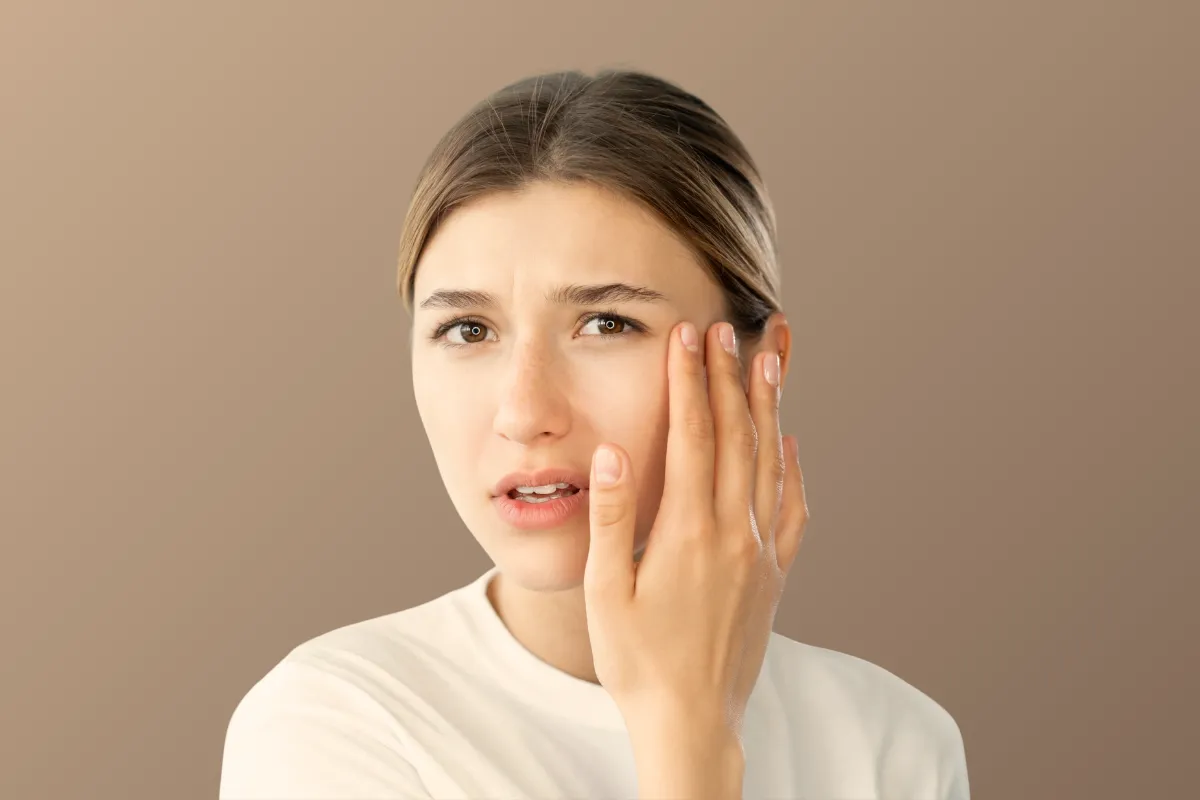
Face Swelling: Causes, Fixes, and When You Should Worry
A MOLD Manila Guide to Puffy, Bloated, “Why-Is-My-Face-Like-This?” Days
You wake up, look in the mirror, and your face is… not cooperating. Puffy cheeks, bloated undereyes, jawline gone on vacation. Sometimes it’s after a late-night samgyup, a few drinks, or a stressful week. Other times, it feels like it came out of nowhere.
Facial swelling can be:
Completely harmless and lifestyle-related,
A normal reaction after aesthetic treatments, or
A sign that your body is asking for help (and sometimes, medical attention).
This guide will help you understand why your face swells, what you can do about it, and when it’s time to stop guessing and see a doctor.
First Things First: Is This an Emergency?
Before we even talk about salt and sleep, let’s set one boundary very clearly:
👉 Go to the ER or seek emergency care ASAP if you have facial swelling PLUS any of these:
Difficulty breathing or swallowing
Swollen tongue, lips, or throat
Sudden, severe swelling after food, insect bite, or medication
High fever, redness, pain, or warmth around the swollen area
Recent trauma to the face (accident, hit, fall) with intense swelling
Those can be signs of a serious allergic reaction, infection, or injury—that’s medical, not aesthetic.
For everything else—especially the “Why do I look so puffy in photos?” kind of swelling—keep reading.

What Actually Causes Face Swelling?
Facial swelling is basically fluid or inflammation collecting in the tissues of your face. Think of it like a traffic jam in your lymph and circulation system: fluid comes in, but it doesn’t drain out efficiently.
Here are the most common culprits:
1. Salt (Sodium Overload)
Chips, instant noodles, fries, cured meats, sauces, “unli” anything—most of the comfort food we love is loaded with sodium.
What salt does:
Sodium attracts and holds water in your body.
Your body responds by retaining fluid → water retention → puffiness, especially around the eyes and lower face.
If your face consistently looks more bloated the morning after a salty meal, your body is literally telling you,
“I’m holding water because there’s too much sodium in here.”
2. Processed & Inflammatory Foods
It’s not just salt. Diets high in refined sugar, trans fats, processed carbs, and greasy foods can trigger:
Systemic inflammation
Blood sugar spikes and crashes
Fluid retention and bloated features
Think: fast food, sugary drinks, pastries, instant meals, overly processed snacks.
That “food hangover” feeling—foggy head, low energy, dull skin, swollen face—is often a mix of inflammation + fluid retention + poor sleep.
3. Lifestyle Habits: Sleep, Alcohol, Smoking
Your face is usually the first to snitch on your lifestyle.
Lack of sleep → your body struggles with fluid regulation, cortisol rises, circulation slows → puffiness, especially around the eyes.
Alcohol → dehydrates you, then your body overcompensates by holding on to water → puffy, dull, tired look.
Smoking → constricts blood vessels, damages collagen, slows healing → chronic inflammation and sluggish lymphatic drainage.
Over time, these aren’t just “one bad night” problems—they compound.
4. Dehydration
This one feels ironic but it’s real:
When you’re dehydrated, your body holds on to whatever water is left as a survival mechanism. That retention often shows up on the face as:
Puffiness
Dull, tired skin
Heavier undereye area
Add caffeine and alcohol (both diuretics), and your body gets even more confused—flushes out fluids, then rebounds by holding onto more.
5. Hormonal Changes
Hormones can influence water retention and inflammation. Common situations:
PMS / menstrual cycle → bloating, breast tenderness, facial puffiness
Pregnancy → overall water retention and changes in circulatio
Menopause or hormonal imbalance → shifts in fat distribution, fluid retention
If you notice your face looks fuller around your cycle or during certain phases, hormones may be involved.
6. Allergies & Skincare Reactions
Your skin can react to:
Fragrance-heavy products
Harsh exfoliants
Retinoids
Certain sunscreens or actives
Hair dye or even laundry detergent (via pillowcases and towels)
Signs it’s a reaction:
Redness
Burning or stinging
Itchiness
Sudden swelling in specific areas after using a new product
In that case, it’s not “I’m just bloated”—your skin barrier is irritated and inflamed.
7. Post-Treatment Swelling (Fillers, Threads, Botox, Lasers)
If you recently had:
Fillers
Thread lifts
Botox
Laser or energy-based treatments
Mild, temporary swelling is expected as your body responds to micro-trauma and the product itself.
This is where proper aftercare, cold compresses, and following your provider’s instructions matter a lot. If swelling worsens, becomes painful, asymmetric, or is accompanied by fever—contact your provider or doctor.
Natural Ways to Reduce Face Swelling
Once you’ve ruled out anything serious, you can start addressing lifestyle-driven swelling.
These are supportive, not magical—but done consistently, they work.
1. Hydrate (Properly)
Aim for steady water intake throughout the day.
Pair water with high-fiber fruits & veggies to help flush out excess sodium
Limit dehydrating drinks (alcohol and excessive caffeine).
Think of water as your internal “lymph flush”—it helps your body mobilize and move out what it doesn’t need.
2. Be Strategic with Salt & Processed Food
You don’t have to live on steamed veggies forever—but:
Limit back-to-back salty meals.
Balance “fun food” with fiber-rich sides (salads, vegetables, fruits).
Watch hidden sodium in sauces, instant food, and snacks.
Reducing salt is often the fastest way to see a difference in facial bloat.
3. Support Your Sleep
Aim for 7–9 hours of quality sleep.
Sleep with your head slightly elevated to reduce overnight fluid pooling in the face.
Avoid heavy, salty dinners and alcohol late at night if morning puffiness is your main issue.
Sleep isn’t just “rest”—it’s when your body resets hormones, repairs tissues, and recalibrates fluid balance.
4. Try Cold Compresses & Cooling Tools
Chilled spoons, cooling eye masks, or a cold compress can help constrict blood vessels and reduce swelling.
Short sessions (5–10 minutes) on puffy areas are usually enough for quick cosmetic relief.
Think of this as a first-aid kit for your face, not a cure for chronic swelling.
5. Lymphatic Drainage Massage
Gentle, upward and outward strokes on the face and neck help:
Encourage lymph flow
Reduce fluid retention
Release tension
You can:
Learn a simple routine at home, or
Book a lymphatic-focused facial with trained professionals for deeper, more consistent results.
6. Nutrition Tweaks: Anti-Inflammatory Basics
Load up on vegetables, leafy greens, and berries.
Add anti-inflammatory options like ginger or green tea.
Reduce ultra-processed foods and sugary drinks.
Your skin is an organ. It reflects what’s happening inside.

How MOLD Manila Can Support Puffy, Tired-Looking Skin
At MOLD Manila, we treat facial swelling as part of the bigger picture: skin health + lifestyle + wellness, not just “how to look less bloated in photos.”
We don’t replace medical care—but we can support you if your swelling is lifestyle, circulation, or skin-barrier–related.
Depending on your assessment, our team may recommend:
1. Lymphatic & Barrier-Focused Facials
Forlle’d facials – deeply hydrating, calming, and designed for sensitive, inflamed, and dehydrated skin.
Osmosis MD holistic facials – barrier-based, non-stripping, and perfect for skin dealing with inflammation or post-irritation.
These facials focus on:
Reducing inflammation
Improving circulation
Supporting your skin barrier, so it’s less reactive and puffy over time
2. Gentle Hydrafacial Protocols
Hydrafacial can:
Deep cleanse
Exfoliate without harsh scrubbing
Infuse the skin with hydrating serums
The result: skin that looks clearer, more refined, and less congested, which often softens the appearance of puffiness.
3. Wellness Drips (IMI) for Overall Hydration and Recovery
For clients struggling with:
Chronic fatigue
Poor sleep
Frequent “food hangover” days
Our IMI infusions may support hydration, recovery, and overall wellness from within—when done as part of a guided, long-term plan. These are not emergency treatments but can be part of a lifestyle reset for those wanting to feel and look better from the inside out.
Face Swelling FAQ – MOLD Manila Edition
“Why is my face most swollen in the morning?”
Common reasons:
You slept flat (fluid pooled in your face).
You had salty food or alcohol the night before.
You’re dehydrated.
Hormonal shifts (e.g., near your period).
Try:
Elevating your head slightly at night,
Hydrating well,
Avoiding heavy, salty late-night meals.
2
“How do I reduce face swelling fast?”
Short-term moves:
Cold compress or ice roller
Drink water (not just coffee)
Avoid salt-heavy food for the rest of the da
Gentle lymphatic massage
If you suspect allergies: an antihistamine may help—but always consult your doctor first, especially for recurrent reactions.
“Can stress cause facial swelling?”
Yes. Chronic stress = elevated cortisol = water retention + inflammation. Add stress habits (less sleep, more junk food, more alcohol) and the puffiness makes even more sense.
Managing stress isn’t just mindset work—your face literally shows it.
“How long does face swelling last?”
It depends on the cause:
Food/salt-related: a few hours to 24 hours
Lack of sleep: often 1 morning, better by the next day once corrected
Allergic reaction or infection: can be longer and may worsen—this needs medical attention
Post-treatment swelling: usually days, based on what you had done and your provider’s guidance
If you’ve been swollen for several days with no clear reason, see a doctor.
“Can my skincare cause swelling?”
Yes. Some common culprits:
Strong retinoids
Harsh scrubs or peels
Fragrances and certain preservatives
Overuse of actives (acids, retinoids, etc.)
If a product causes burning, redness, or swelling—stop using it and switch to gentle, barrier-repair-focused skincare. If symptoms are severe, see a doctor.
“Is a swollen face a sign of dehydration?”
It can be. When your body is dehydrated, it sometimes responds by conserving and redistributing water—leading to puffiness, especially around the eyes.
Hydrate, reduce alcohol and excessive caffeine, and support your sleep and diet.
The MOLD Manila Takeaway
A puffy face is rarely “just cosmetic.” It’s feedback—from your diet, sleep, hormones, habits, or skin barrier.
At MOLD Manila, we believe in:
Education over pressure
Wellness-first beauty
Real results, no fear-mongering
If you’re dealing with recurring facial swelling (that’s not an emergency), we can help you:
Understand what your skin is trying to tell you
Build a gentle, realistic skincare routine
Pair in-clinic treatments with lifestyle shifts for long-term change

Book a skin consultation at MOLD Manila if you’re tired of guessing, Googling, or hiding behind filters. We’ll look at the whole picture—your skin, your habits, your goals—and create a plan that respects both your health and your aesthetic vision.