
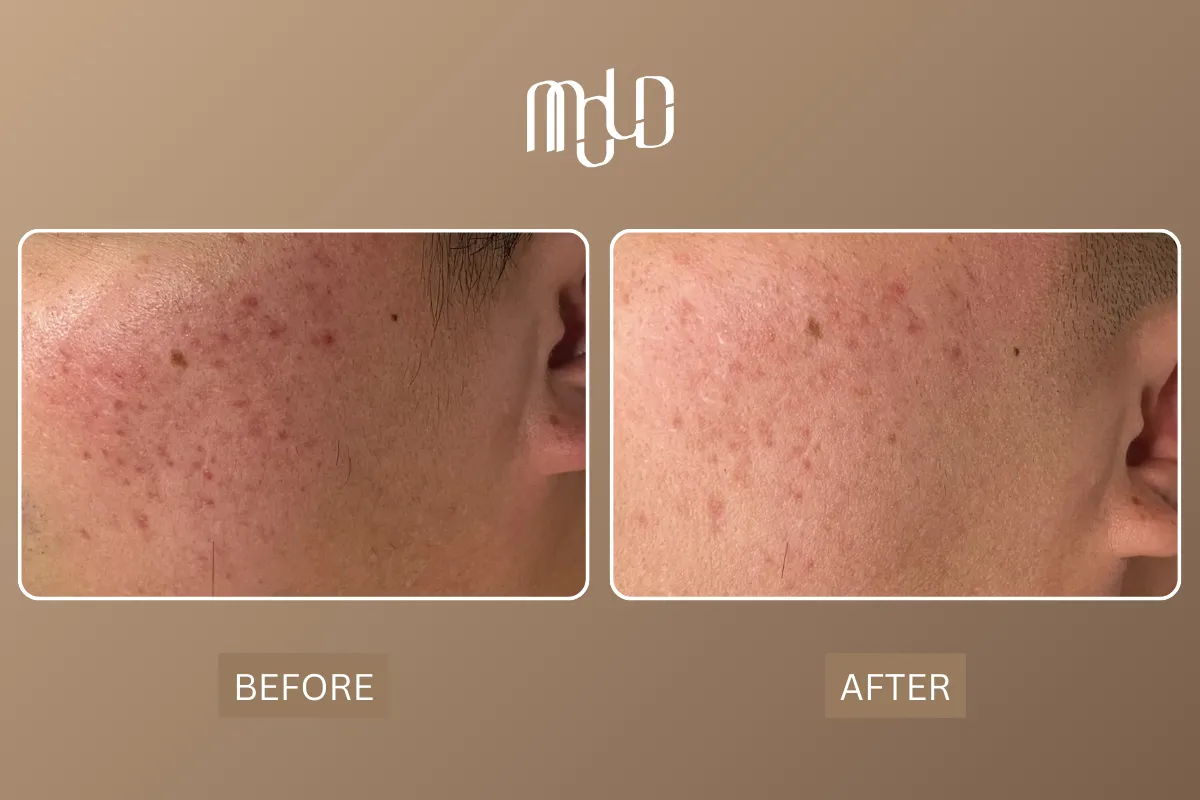
Acne Scar Treatment Options: What Really Works for Your Skin
Acne may heal, but the marks it leaves behind can stay for years. Acne scars are one of the most common skin concerns we see at Mold Manila—and they can affect confidence just as much as active breakouts.
The good news? Acne scars can be improved. With the right treatment plan, skin texture, tone, and smoothness can gradually heal.
This guide breaks down acne scar treatment options in a clear, easy-to-understand way, so you know what your choices are—and what might work best for your skin.

What Are Acne Scars?
Acne scars form when the skin is damaged during deep or inflamed breakouts. As the skin heals, it may not produce enough collagen—or it may produce too much—resulting in uneven texture.
Common Types of Acne Scars
Ice pick scars – small but deep pits
Boxcar scars – wider, shallow dents with sharp edges
Rolling scars – uneven, wavy texture
Post-acne marks – dark spots or redness (not true scars, but still a concern)
Different scars need different treatments. This is why consultations matter—no single solution works for everyone.

How Acne Scars Are Treated
At Mold Manila, acne scar treatments focus on stimulating collagen, repairing damaged skin, and improving texture over time. These treatments are non-surgical and carefully selected based on scar type and skin condition.
Below are the most effective options we use.
1. CO₂ Fractional Laser
Best for: Deep scars, boxcar scars, uneven texture
CO₂ Fractional Laser works by creating tiny micro-injuries in the skin. This sounds intense, but it’s controlled and safe. These micro-injuries trigger your skin’s natural healing process, which boosts collagen production.
What it helps with:
Deep acne scars
Rough skin texture
Enlarged pores
What to expect:
Mild downtime (redness and peeling for a few days)
Gradual improvement over several weeks
Often done in a series for best results
2. TCA CROSS
Best for: Ice pick scars (deep, narrow scars)
TCA CROSS uses a medical-grade acid applied only inside the scar, not the entire face. This helps rebuild collagen exactly where it’s needed.
Why it works:
Targets stubborn, deep scars
Improves scar depth over time
Very precise treatment
What to expect:
Small scabs that heal in a few days
Multiple sessions may be needed
Minimal downtime compared to full-face peels
3. Microneedling (with or without boosters)
Best for: Rolling scars, mild to moderate texture issues
Microneedling uses fine needles to create micro-channels in the skin. This stimulates collagen and allows healing ingredients to absorb better.
Benefits:
Smooths uneven texture
Improves overall skin quality
Helps scars look softer and shallower
Often combined with skin boosters to improve results.

4. Rejuran S (Scar-Focused Skin Booster)
Best for: Acne scars, weak skin barrier, slow healing
Rejuran S is a specialized injectable treatment made from polynucleotides. It works by repairing damaged skin cells and supporting collagen growth.
Why clients love it:
Improves skin quality from within
Helps scars heal more naturally
Strengthens the skin barrier
It’s commonly paired with laser or microneedling treatments for better results.
5. Subcision (Optional Add-On)
Best for: Scars that are “tethered” or pulled down
Some scars are attached to deeper layers of skin. Subcision gently releases these fibers, allowing the skin to lift and heal more evenly.
Usually combined with:
CO₂ Fractional Laser
Rejuran S
Microneedling
This combination approach often delivers the most visible improvement.
How Many Sessions Do You Need?
Acne scars don’t disappear overnight. Most treatments require 3 to 5 sessions, spaced weeks apart.
Why? Because collagen rebuilds slowly and naturally. This gradual process leads to healthier, longer-lasting results—without damaging your skin.
What About Dark Acne Marks?
Not all post-acne marks are scars. Some are pigmentation or redness.
These are often treated with:
Gentle facials
Laser toning
Brightening skin boosters
Proper home care
Treating pigmentation is usually faster than treating true scars.
Why Professional Guidance Matters
Trying random treatments can:
Waste time and money
Damage your skin barrier
Make scars worse
At Mold Manila, we:
Assess your scar type
Check skin sensitivity and history
Create a step-by-step treatment plan
Focus on healing—not over-treating

The Takeaway
Acne scars are common—but they’re not permanent.
With the right mix of laser treatments, injectables, and collagen-stimulating procedures, your skin can heal, smooth out, and regain confidence over time.
The key is choosing treatments that are:
Right for your scar type
Safe for your skin
Guided by professionals
If acne scars have been holding you back, this can be the year you finally address them—properly and safely.
Your skin deserves repair, not pressure.